


March 19, 2026
What Experienced Buyers Ask Before Buying an Online Business
“Can this business actually grow after I buy it?”
Growth potential is what separates a smart investment from a future disappointment. Yet many buyers struggle to evaluate it properly because the information provided by sellers is often incomplete, overly optimistic, or difficult to verify. Without clear, structured data, buyers are forced to rely on assumptions instead of evidence. This unclear growth potential becomes one of the biggest sources of uncertainty and hesitation in the acquisition process. Below are the most important areas buyers should analyze to turn vague “potential” into measurable, realistic growth opportunities.
The foundation of any growth assessment starts with financial history. Growth potential cannot exist without solid financial foundations. Buyers should carefully examine past performance to understand whether the business is expanding in a stable, repeatable way or if the results are driven by temporary spikes.
Consistent and predictable growth over time is a strong positive signal. However, rapid spikes followed by drops often indicate unsustainable growth. Many buyers become wary when they see irregular revenue patterns. For a deeper understanding of this issue, read [Why Spikes Scare Buyers When Selling an Online Business]. Clean financial records and a high proportion of predictable revenue give buyers much stronger confidence in future scalability.
Even impressive financial numbers mean little if the underlying market demand is weak or declining. Buyers must validate that the app or business solves a real problem for a sufficiently large and engaged audience.
Customer reviews, retention rates, usage data, and organic search trends provide honest signals about real demand. Market validation helps buyers avoid products that look promising on paper but lack genuine long-term interest.
A strong competitive position is one of the best indicators of future growth potential. Even if the business performs well today, an overcrowded market or low barriers to entry can quickly limit expansion.
Products with clear differentiation and defensibility have significantly more room to grow than those competing only on price or basic functionality.
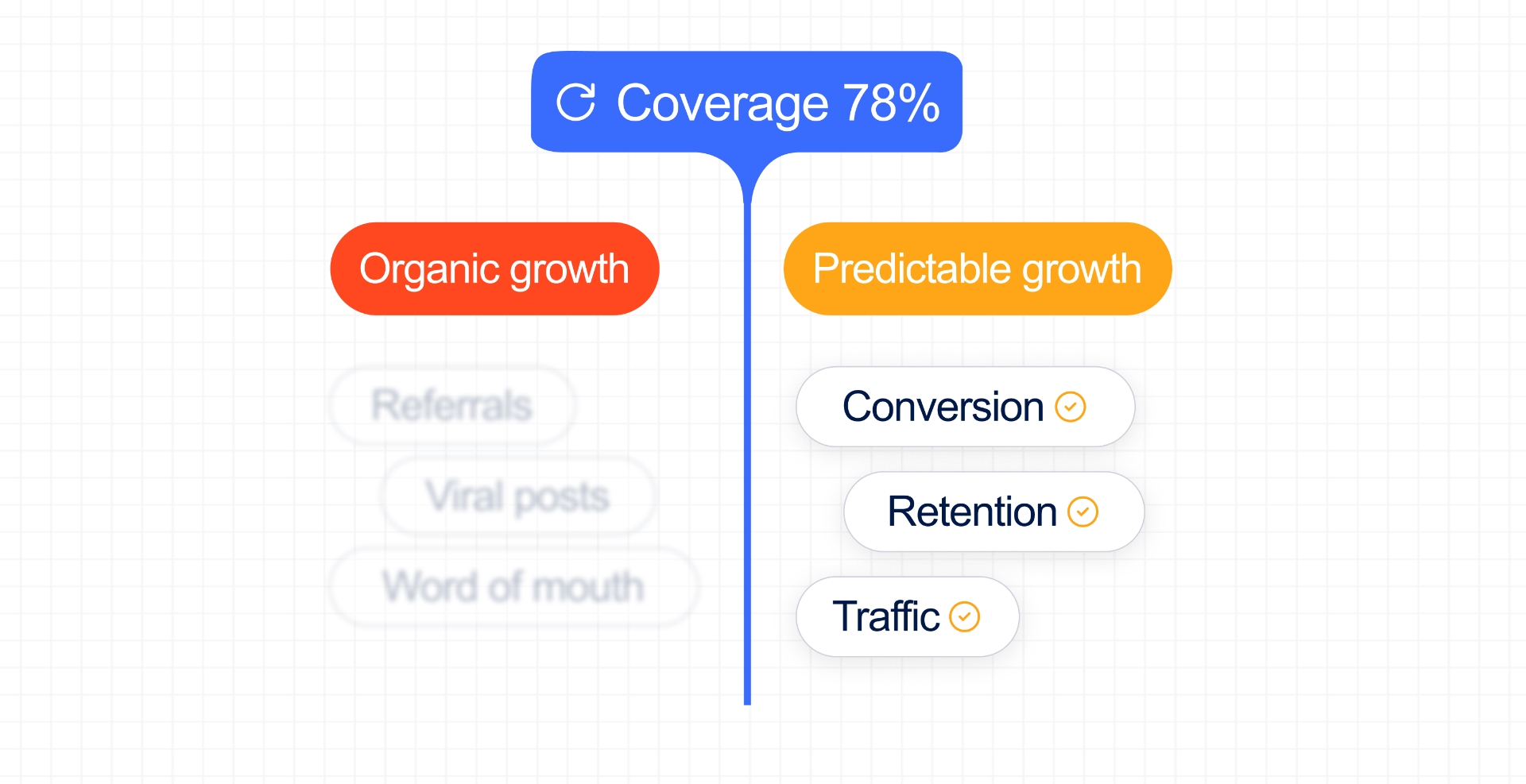
One of the clearest ways to assess growth potential is to identify existing but underutilized growth levers. These are specific opportunities that can drive more revenue or users without requiring a complete rebuild of the business.
When these levers are visible and only partially used, the buyer can clearly see a realistic path to increase revenue after acquisition. If no obvious growth levers exist, the business may already be close to its natural ceiling. Businesses with clear, actionable levers usually demonstrate [Predictable Revenue vs Chaotic Growth in Online Businesses] — a major advantage in the eyes of serious buyers.
Strong financials and market demand can still be undermined by hidden risks and poor operational structure. Buyers must assess whether the business is resilient enough to sustain and accelerate growth after the transfer of ownership.
Leadership stability and operational systems play a huge role here. Businesses that run on well-documented processes rather than individual heroics adapt much better to changes and scale more successfully. This is closely connected to [Why Founder Dependency Lowers Business Value - and How SOPs Fix It] — the less the business depends on one person, the more reliable its growth potential becomes.
Unclear growth potential remains one of the top reasons buyers hesitate or walk away from otherwise attractive deals. The uncertainty usually stems from incomplete data, unrealistic seller projections, or lack of transparency. However, a structured evaluation dramatically reduces this risk. By systematically reviewing financial performance, market validation, competitive positioning, growth levers, and operational resilience, buyers can replace assumptions with concrete evidence.
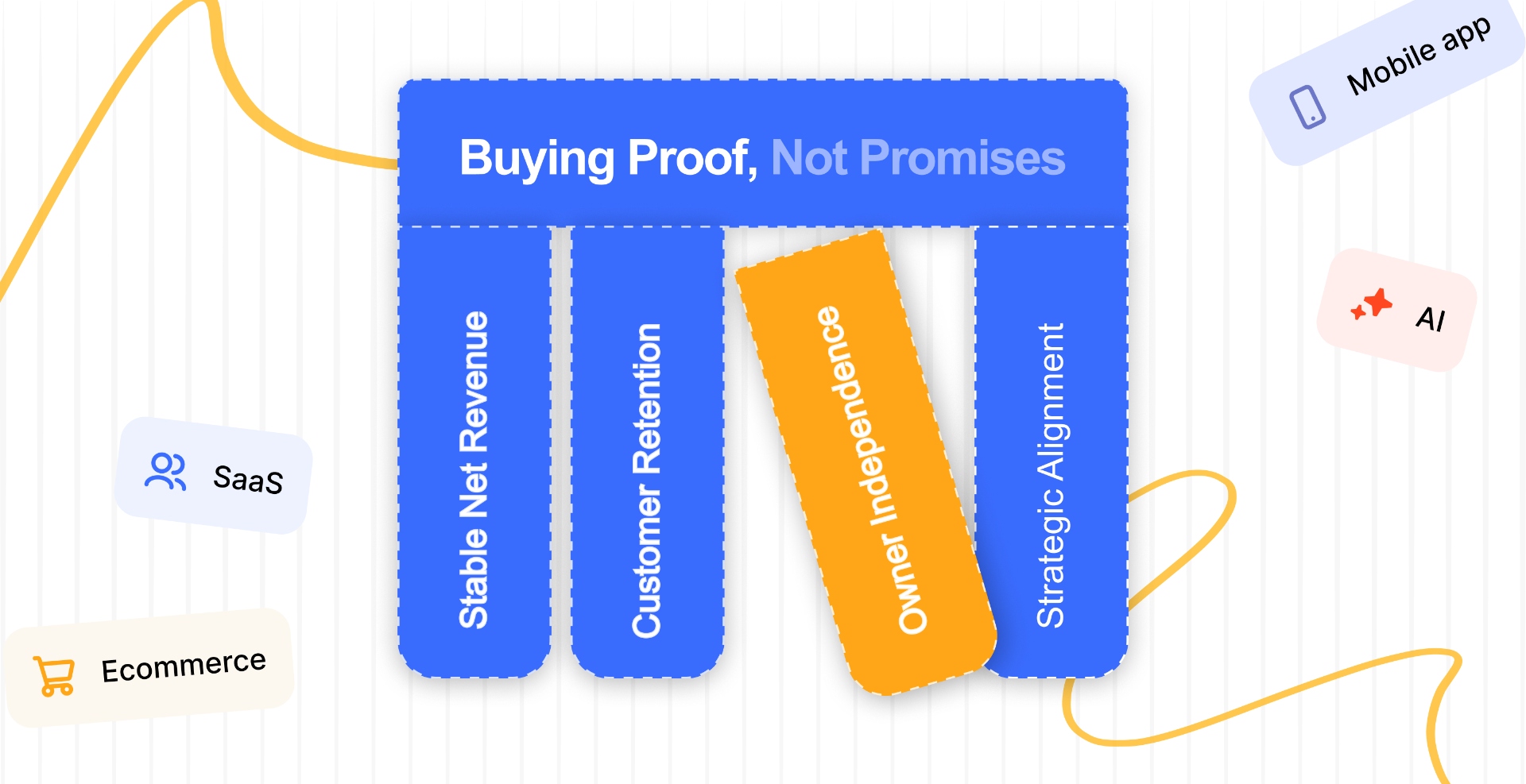
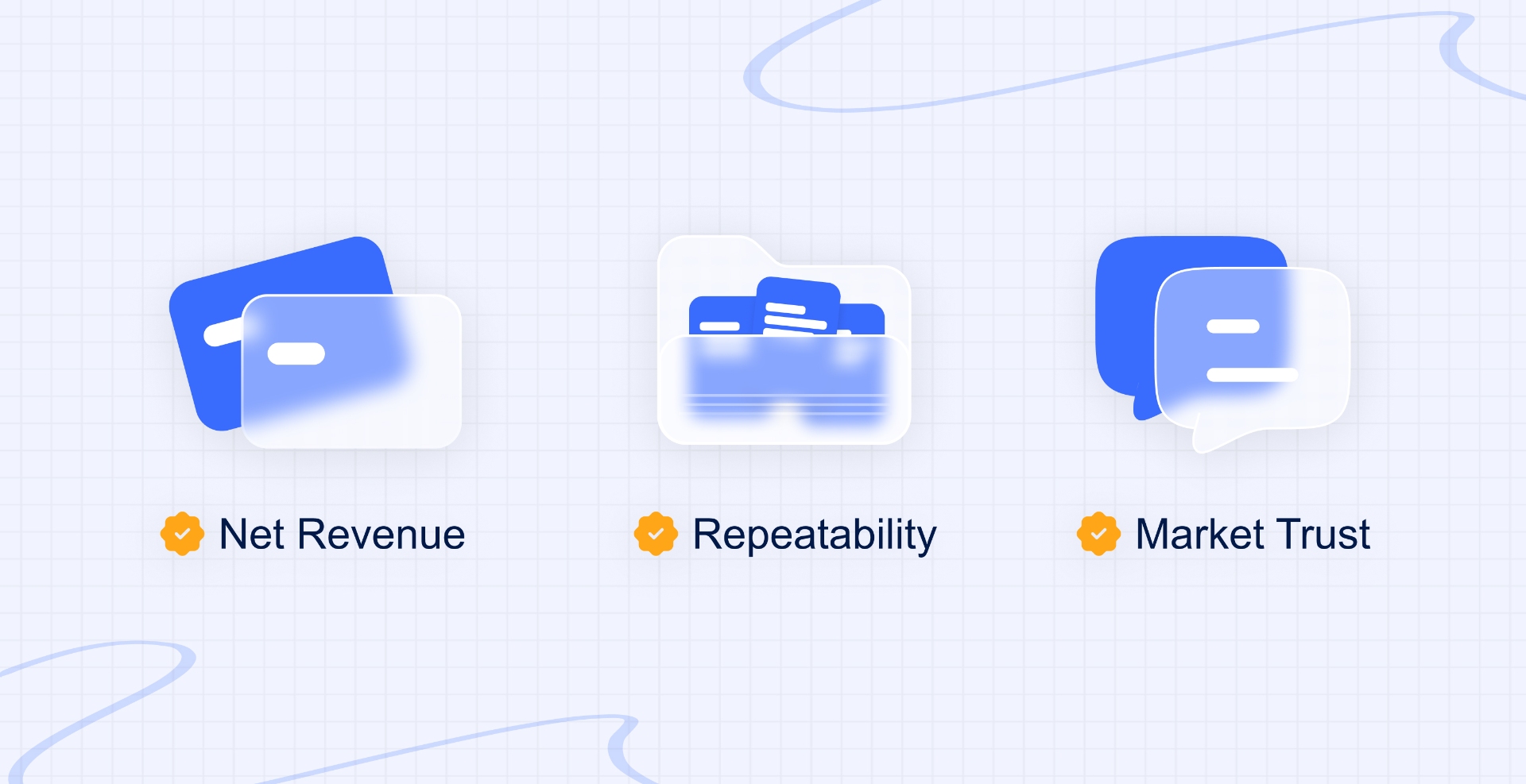
Growth potential should never be based on hype, optimistic forecasts, or vague promises. The most successful acquisitions are built on proof: measurable demand, stable and predictable revenue, clear competitive advantages, identifiable growth levers, and resilient operations. When buyers approach evaluation methodically, they gain a realistic picture of what the business can achieve under new ownership. In the end, the golden rule is simple:
Buy proof, not promises.
An app or online business with documented demand, strong systems, and visible expansion opportunities offers far greater confidence — and significantly higher chances of successful growth — than one based purely on speculation.

.svg)


.svg)
.svg)
.svg)
