


March 19, 2026
What Experienced Buyers Ask Before Buying an Online Business
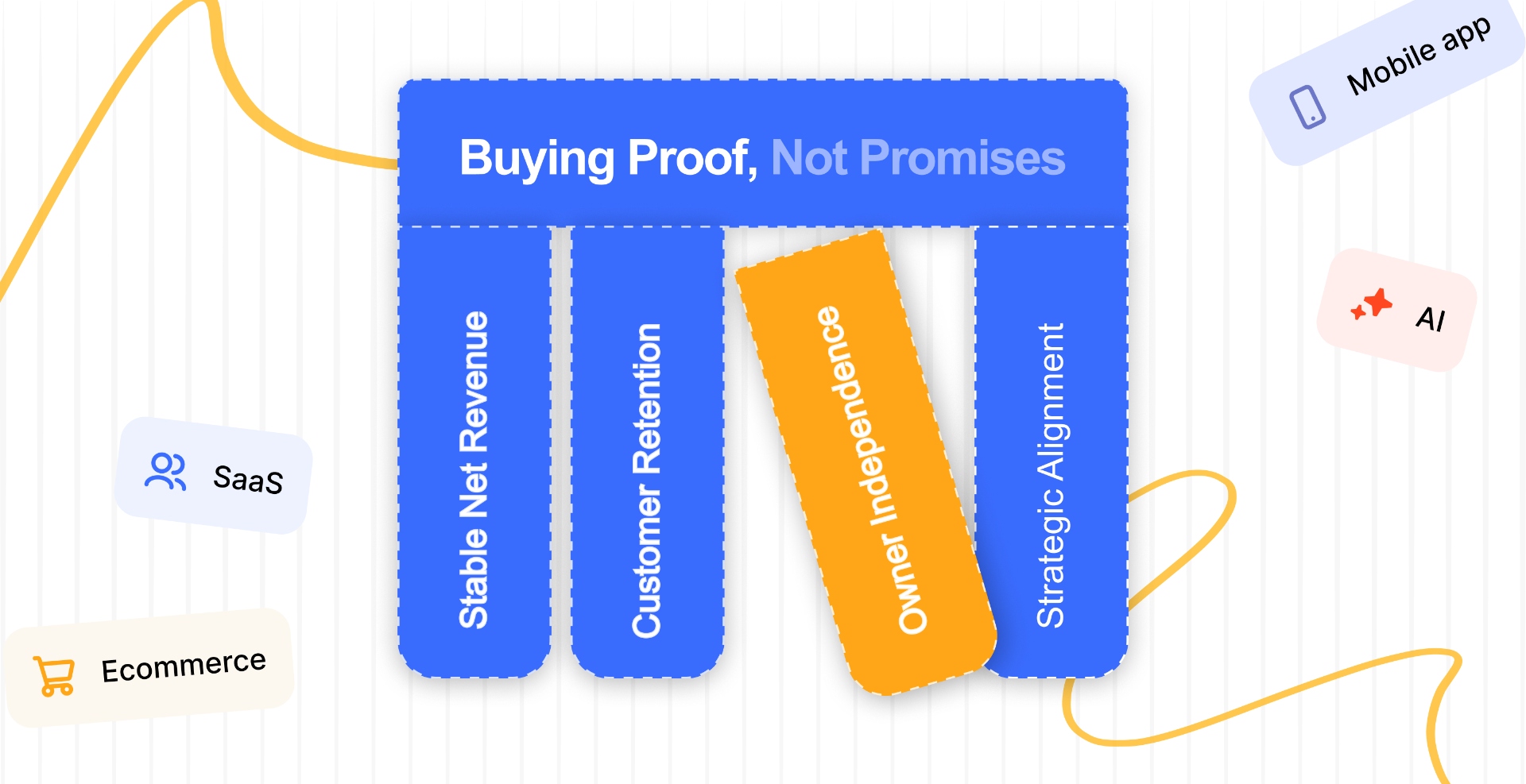
That is why the best buyers ask better questions. They do not focus only on upside. They focus on what could break, what depends on the owner, and whether the business can keep performing after the handover. In online businesses especially, where revenue may depend on traffic sources, subscriptions, digital assets, or a founder’s personal involvement, the right questions make all the difference. A good acquisition starts long before due diligence. It starts with clarity.
This is usually one of the first questions experienced buyers ask. The reason is simple: the seller’s motivation often reveals more than the financial statements do. A normal reason, such as a new project, burnout, or a planned exit, is very different from selling because growth has stalled, a major channel is weakening, or operational problems are getting harder to manage. This question helps buyers understand whether they are looking at a genuine transition or trying to catch a falling asset. In many cases, the answer is not just about the sale. It is about the hidden story behind the sale.
Experienced buyers rarely stop at headline numbers.
For online businesses, this matters even more because revenue can sometimes look stronger than it really is. Paid traffic, discounts, one-time spikes, or weak retention can distort the picture. The real question is not just how much the business made. It is whether that revenue is durable enough to support the acquisition.
This is one of the clearest dividing lines between a real asset and a job disguised as a business. Experienced buyers always want to know how dependent the company is on the current owner. If the seller handles all key decisions, customer relationships, partnerships, or growth strategy personally, the business becomes much riskier after transfer.
A business that works without constant founder involvement is usually far more attractive and valuable.
Revenue matters, but where it comes from matters just as much. Experienced buyers want to know whether the customer base is stable, whether users are loyal to the brand or to a person, and whether growth depends on one fragile source such as a single traffic channel or platform.
This helps buyers judge whether the business has a real foundation or simply benefits from temporary momentum.
Strong buyers do not just ask whether the business is good. They ask whether it is good for them.
This is important because deals often fail not because the business is bad, but because the buyer is the wrong fit. A solid business in the wrong hands can still become a poor acquisition. Experienced buyers know that alignment matters as much as opportunity.
The best buyers ask questions that reduce risk before they chase growth. They want to understand the seller’s real reason for exiting, the strength of the revenue, the independence of the operations, the stability of the customer base, and whether the business fits their own capabilities. That is what separates surface-level interest from serious acquisition thinking.
In online business deals, where digital metrics can look impressive while hiding deeper weaknesses, the right questions are often the most valuable part of the process. Because in the end, experienced buyers are not just buying potential. They are buying proof.

.svg)


.svg)
.svg)
.svg)
