


March 19, 2026
What Experienced Buyers Ask Before Buying an Online Business
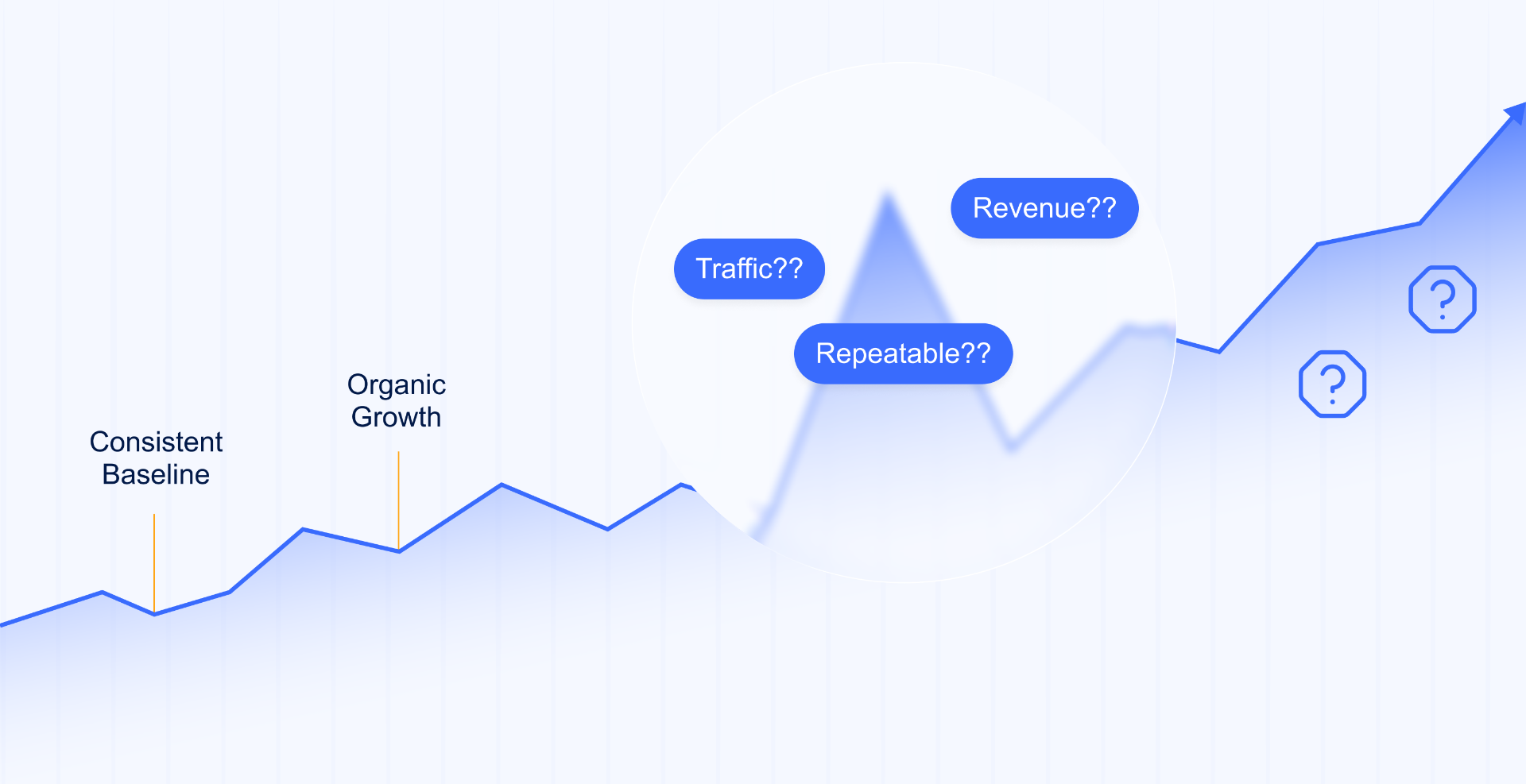
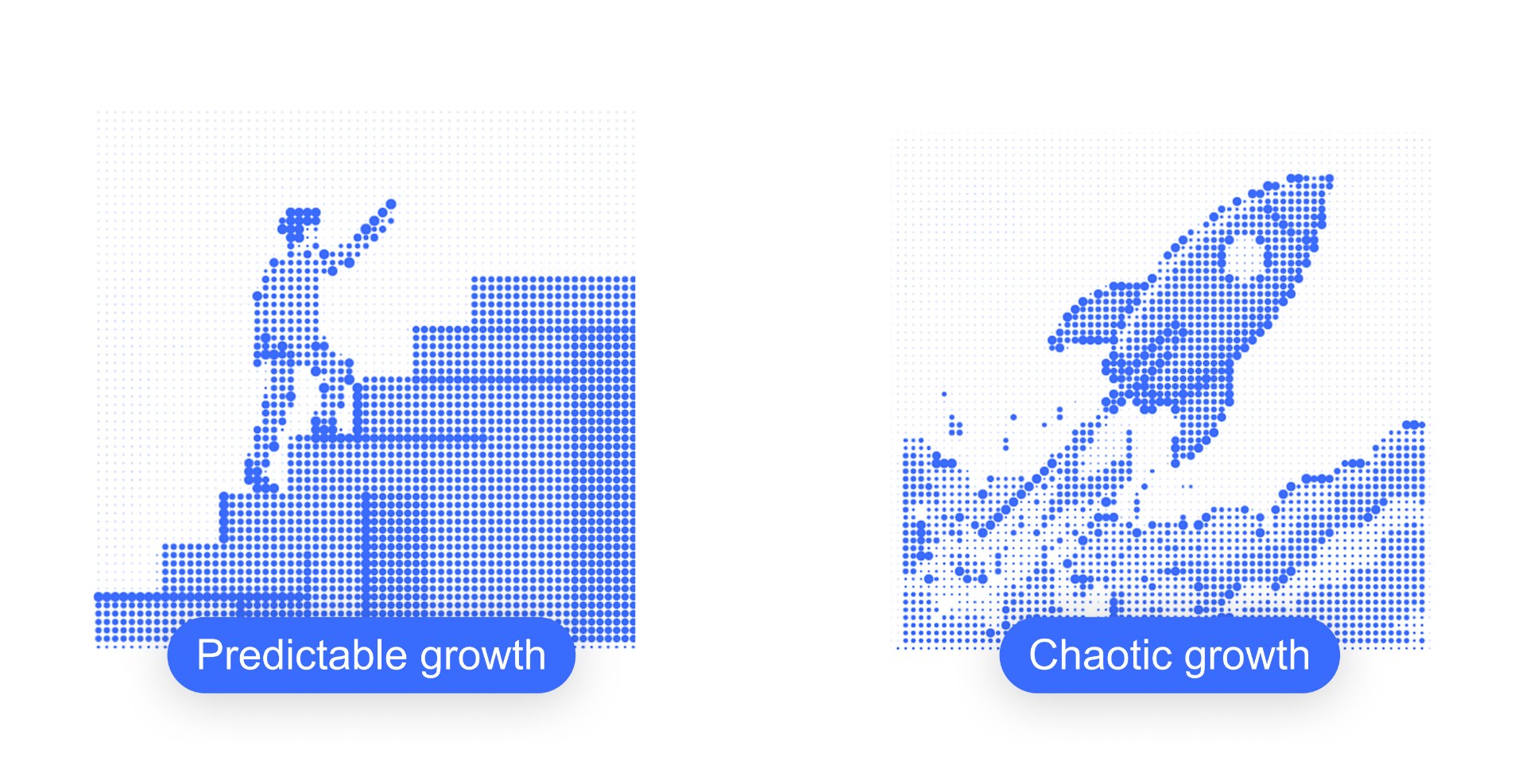
But for serious buyers, spikes often create concern rather than confidence. When someone is buying an online business, they are not just buying what happened in one strong month. They are buying the future stability of that business. That is why buyers usually prefer steady, predictable performance over short-term highs.
A spike may look impressive in a chart, but it also raises a difficult question:
Was this growth real, repeatable, and sustainable - or was it temporary?
That uncertainty is exactly what makes buyers cautious.
The biggest issue with a spike is that it may not last.
If the growth came from a unique event rather than a stable system, buyers know that performance may quickly return to its previous level after the deal closes. That creates risk. A buyer wants confidence that the business can continue producing similar results in the future. If strong numbers depend on timing rather than repeatable operations, the value of the business becomes much harder to trust.
Another reason spikes scare buyers is that they can make the business look stronger than it really is. Online businesses are often evaluated using recent financial performance. If a short-term surge pushes revenue or profit higher, it may inflate the overall picture and create an unrealistic valuation. From the buyer’s perspective, this creates a problem. They do not want to pay for one exceptional month if the normal baseline is much lower. Instead, they want to understand what the business typically earns when conditions are stable.
If there is no clear answer, the spike becomes a red flag instead of a selling point.
Not every spike is suspicious, but some buyers immediately wonder whether the business was “dressed up” before being listed.
Even if the spike was legitimate, buyers may still want proof that it reflects genuine business strength rather than temporary inflation. This matters because trust plays a major role in any sale. If the buyer starts questioning the quality of the numbers, the entire deal becomes harder.
A spike can also expose over-reliance on one channel, one event, or one strategy. For example, if most of the growth came from a single traffic source or one campaign, the buyer may see that as fragile. If that source disappears, the business may struggle immediately.
Buyers are usually more comfortable with businesses that grow through repeatable systems rather than isolated bursts.
Traffic spikes can be especially misleading. A business may suddenly attract a large number of visitors, but that does not automatically mean the business is stronger. Buyers want to know whether that traffic actually converts into revenue, loyal customers, or long-term value.
In other words, a spike in visibility without a matching spike in business quality does not increase confidence. It often does the opposite.
This is the most important point. A serious buyer is usually not looking for the most dramatic chart. They are looking for a business that feels dependable, understandable, and transferable.
Spikes, on the other hand, introduce uncertainty. They make the buyer work harder to understand what is normal and what is not. And in business sales, uncertainty usually lowers confidence.
A spike does not automatically ruin a deal. But it should be explained clearly.
When sellers present spikes honestly and support them with context, buyers are more likely to trust the data.
Spikes scare buyers because they create doubt about what is real, repeatable, and sustainable inside a business. A short-term surge can look exciting, but buyers are not paying for excitement. They are paying for dependable performance and future confidence. That is why stable businesses usually attract stronger interest than businesses with unpredictable highs. In the end, buyers do not want the biggest spike. They want the clearest signal.
.svg)


.svg)
.svg)
.svg)
