


March 19, 2026
What Experienced Buyers Ask Before Buying an Online Business
In practice, the process is often frustrating and uncertain. Most buyers work with imperfect information. They rely on sales pages, screenshots, reviews, ratings, traffic stats or third-party tools. Some trust their instincts or consult experts. Yet even with all available data, important risks frequently remain hidden until after the purchase. This is why risk assessment when buying an online business continues to be one of the biggest pain points for both new and experienced buyers. Whether you are evaluating a digital product or a full online business with MRR, the same challenges appear repeatedly: critical risks only become clear when it is already too late. Here are the most common pain points that prevent buyers from making confident, well-informed decisions.
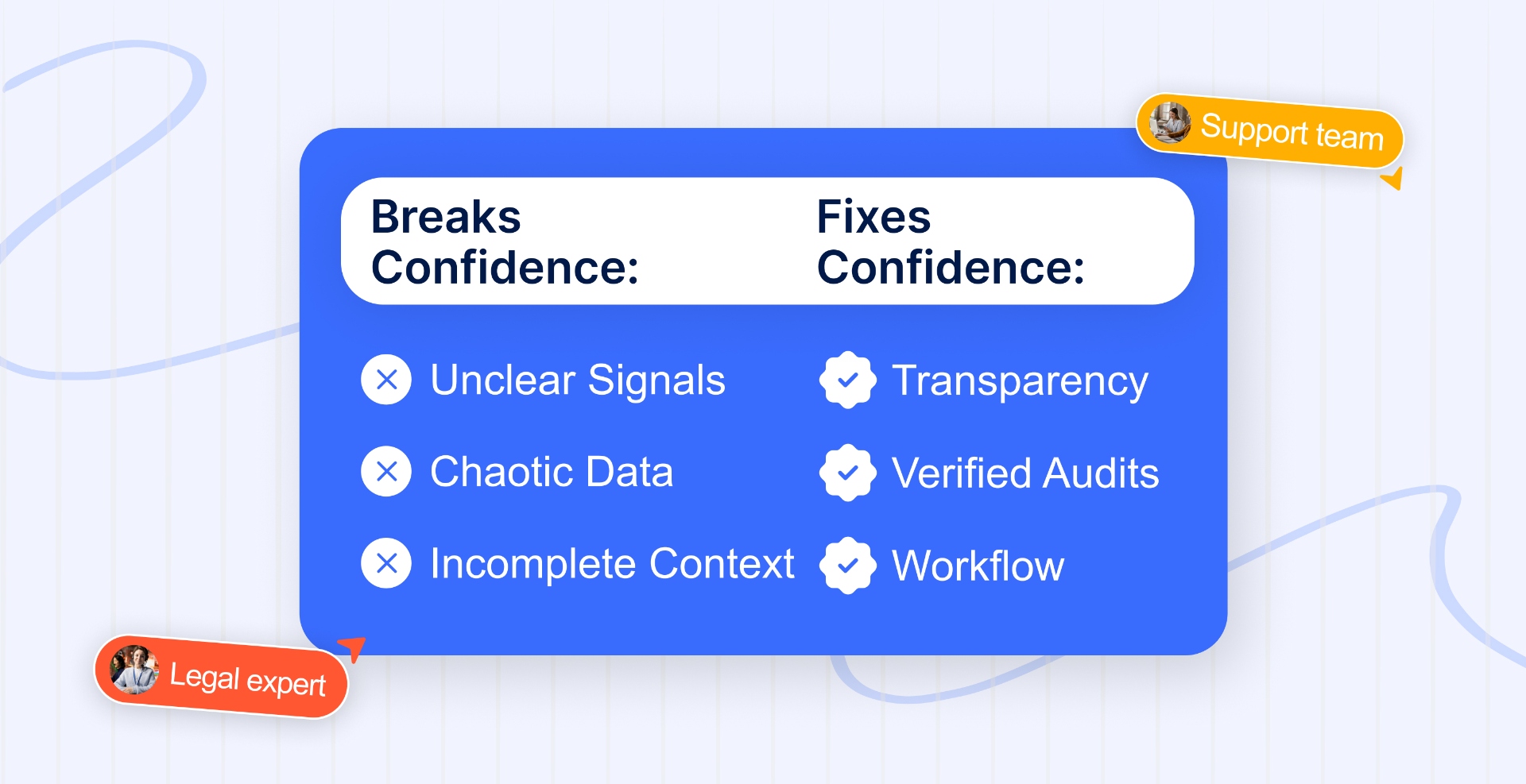
One of the biggest obstacles in risk assessment is insufficient transparency from the seller.
This lack of clarity creates false confidence. Buyers may feel reassured by polished presentations, while the real operational or financial picture stays incomplete. In online business acquisitions, transparency directly affects buyer confidence and final valuation.
Many serious risks are not obvious during initial review.
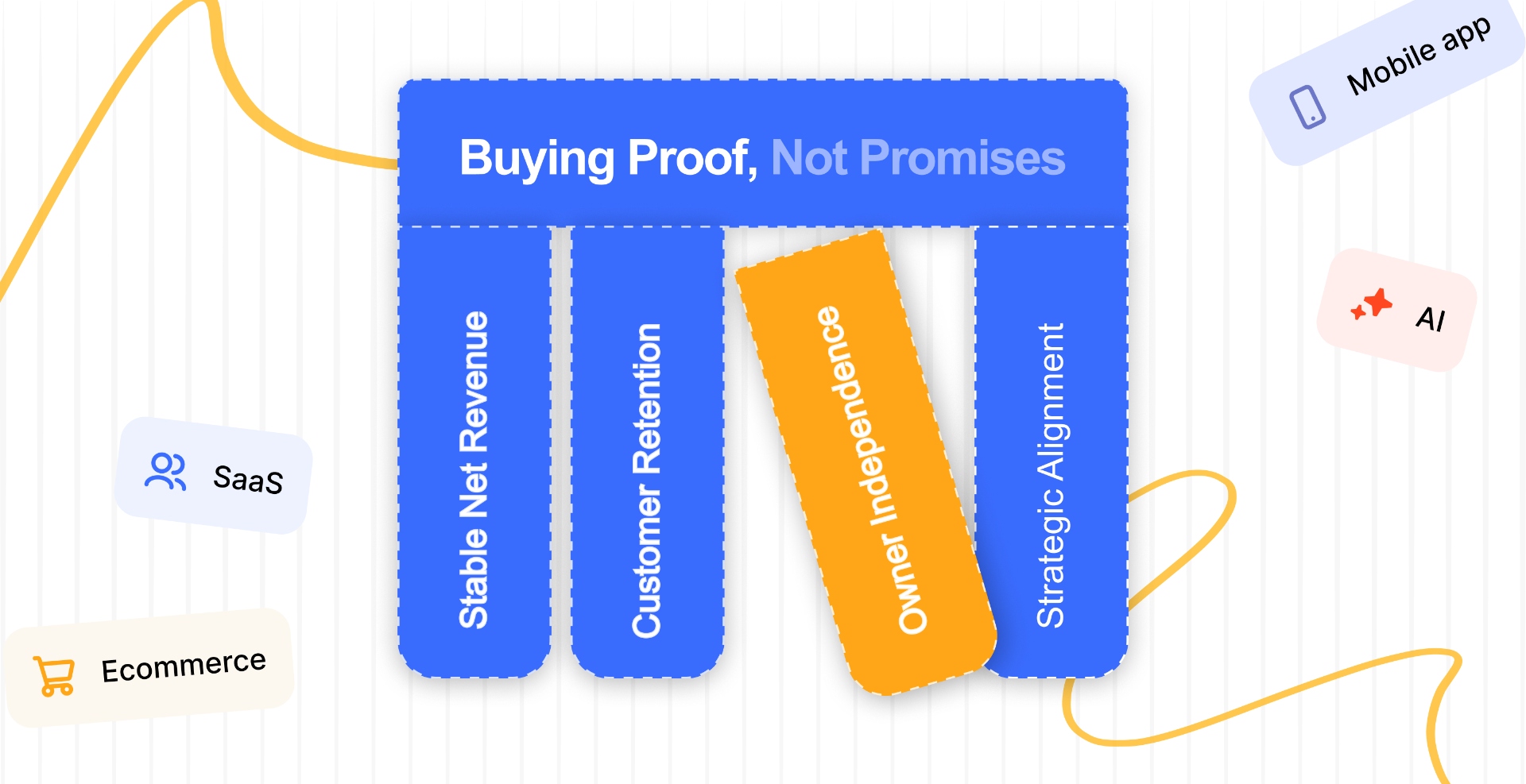
These hidden risks in online business acquisition are especially dangerous because they usually surface only after the buyer has invested time and money. One of the most common hidden risks is [Why Founder Dependency Lowers Business Value - and How SOPs Fix It] — when the entire operation revolves around the current owner’s personal involvement.
Buyers often fall back on quick shortcuts because deep analysis takes too much time.
While these can be helpful, they rarely tell the full story. A business can look successful on the surface and still have serious underlying instability. Relying only on first impressions significantly increases the chance of missing critical red flags.
Thorough risk assessment is rarely quick or easy.
For many buyers — especially those without technical or operational experience — this process feels overwhelming. As a result, people either rush the decision (increasing risk) or delay it indefinitely (missing good opportunities).
Even when buyers invest time in research, the quality of available information is often a problem.
Distinguishing real signals from marketing noise is difficult. Positive feedback may hide recurring complaints, while isolated criticism may lack evidence. This imbalance makes it hard to build a clear, objective picture of the real risks.
Risk assessment is not purely logical — it is heavily influenced by emotions.
These emotions can push buyers to ignore warning signs or, conversely, become overly cautious and pass on solid opportunities. Emotional pressure is especially strong in competitive marketplaces for online businesses and apps.
Short-term risks (technical bugs, current revenue) are relatively easier to spot. Long-term risks are much more difficult to assess.
This is where many acquisitions fail. What works today may not deliver value in 6–12 months. Long-term resilience depends on structure, systems and predictable revenue rather than current performance alone. Businesses with chaotic or unpredictable growth carry significantly higher perceived risk. For a deeper look at this challenge, see [Predictable Revenue vs Chaotic Growth in Online Businesses].
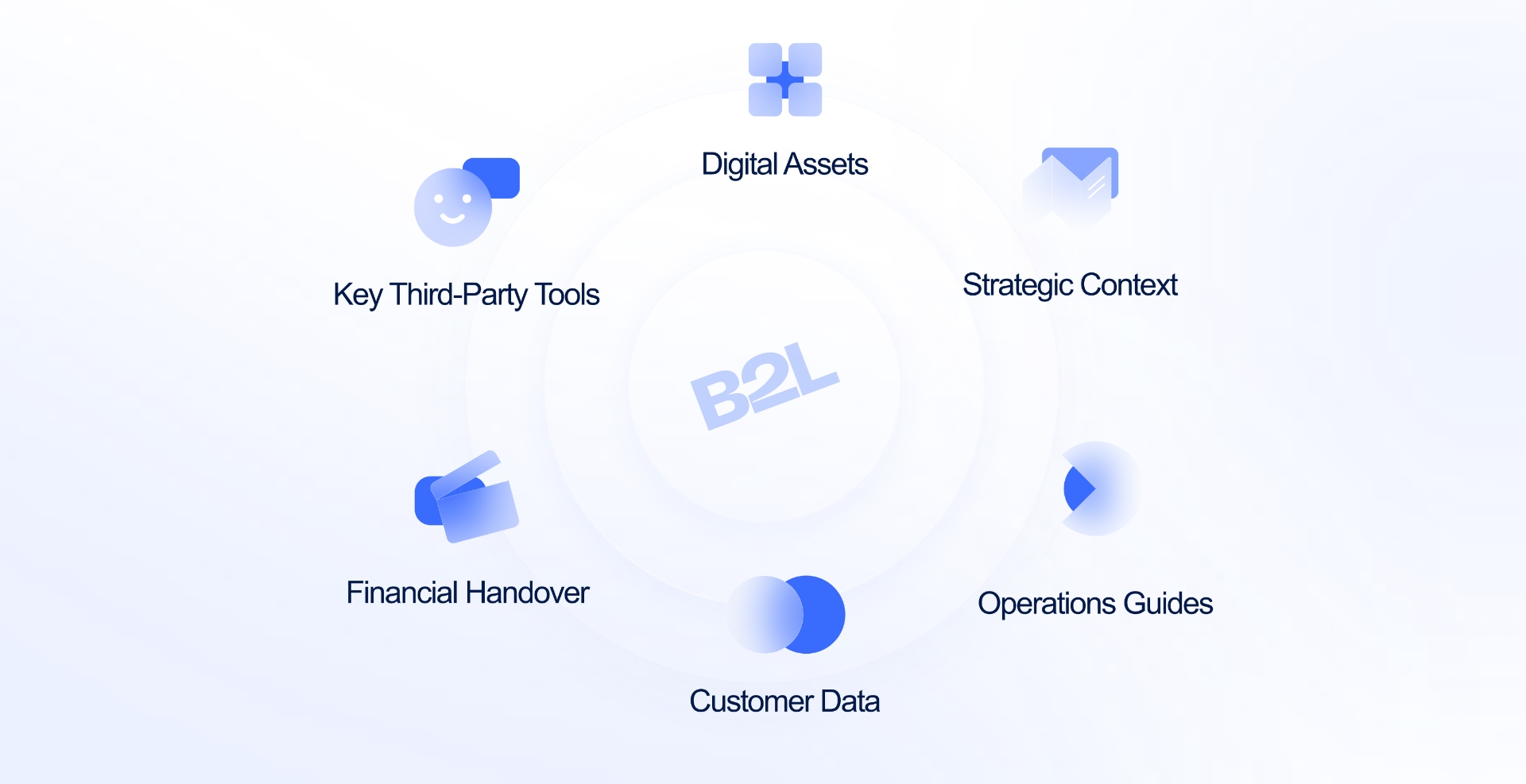
Risk assessment when buying an online business is difficult because buyers rarely have the full picture at the moment of decision. Hidden risks, incomplete or biased information, emotional pressure and time-consuming research all contribute to uncertainty. The biggest pain point is not risk itself — it is uncertainty without clarity. The more transparent a seller is about operations, revenue sources, potential risks and mitigation strategies, the easier it becomes for buyers to make confident decisions. Well-documented processes and clear handover materials dramatically reduce perceived risk.
Serious buyers understand that proper evaluation starts long before full [What Happens Before Due Diligence When Buying an Online Business]. Reducing uncertainty through transparency and solid systems is one of the fastest ways to build trust and achieve a smoother, more successful transaction. Businesses that actively address these pain points — through better documentation, operational transparency and reduced founder dependency — not only attract more serious buyers but also command higher valuations.

.svg)


.svg)
.svg)
.svg)
