


March 19, 2026
What Experienced Buyers Ask Before Buying an Online Business

But the stage before due diligence is just as important. This early phase is where buyers filter opportunities, test assumptions, and decide whether a deal is worth pursuing at all. It is also where sellers prove they are organized, serious, and ready for a transaction. When this part is rushed, deals often break down later because expectations were never aligned in the first place.
In online business acquisitions, that risk is even higher. Revenue sources can change quickly, traffic quality can be misleading, and operational weaknesses may stay hidden until someone starts asking the right questions. That is why the pre-due-diligence stage matters so much.
Before full due diligence begins, both sides need a way to evaluate whether the deal makes sense.
In other words, this is the filtering stage. It saves time, reduces noise, and helps both sides avoid wasting weeks on deals that were never likely to close.
The process usually starts with a first review of the opportunity. At this stage, buyers typically look at the overview of the business rather than the full internal details. They want to understand the basic shape of the company before moving further.
For online businesses, this first look is especially important because surface-level growth can sometimes hide deeper instability. A business may look attractive based on top-line numbers, but already show warning signs such as traffic concentration, unstable monetization, or founder dependency.
The goal here is not to know everything. The goal is to know whether the deal deserves a closer look.
Once there is real interest, the next step is usually an NDA. This allows the seller to share more information without exposing sensitive details publicly. For online businesses, that matters because the core value of the company often sits in digital assets, internal data, customer relationships, and operational systems.
This stage builds the foundation for a more informed conversation. It also helps both sides move from curiosity to serious evaluation.
Before a buyer submits a formal offer or enters exclusivity, there is usually a lighter level of review. This is not full due diligence yet. It is more like a structured sense-check.
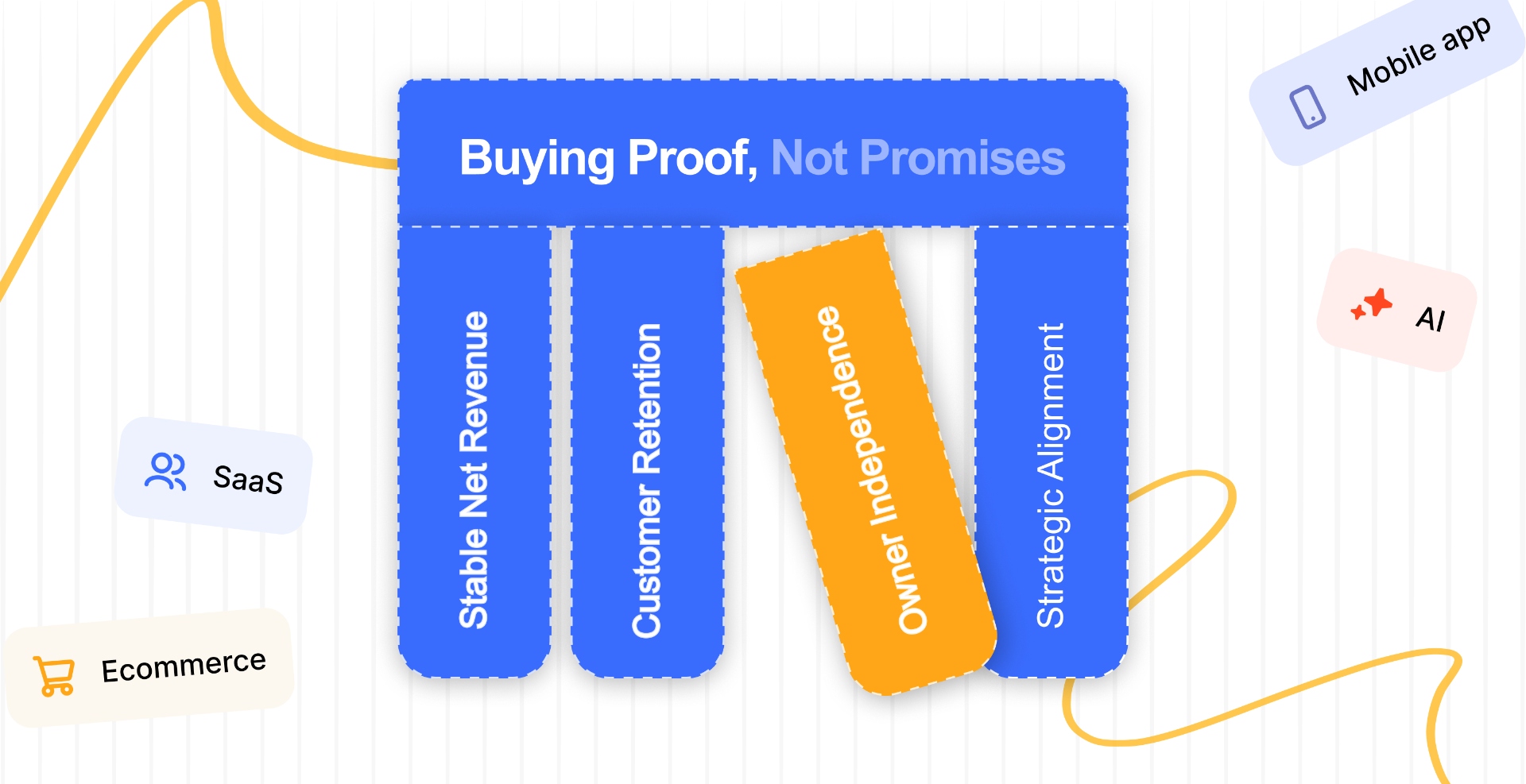
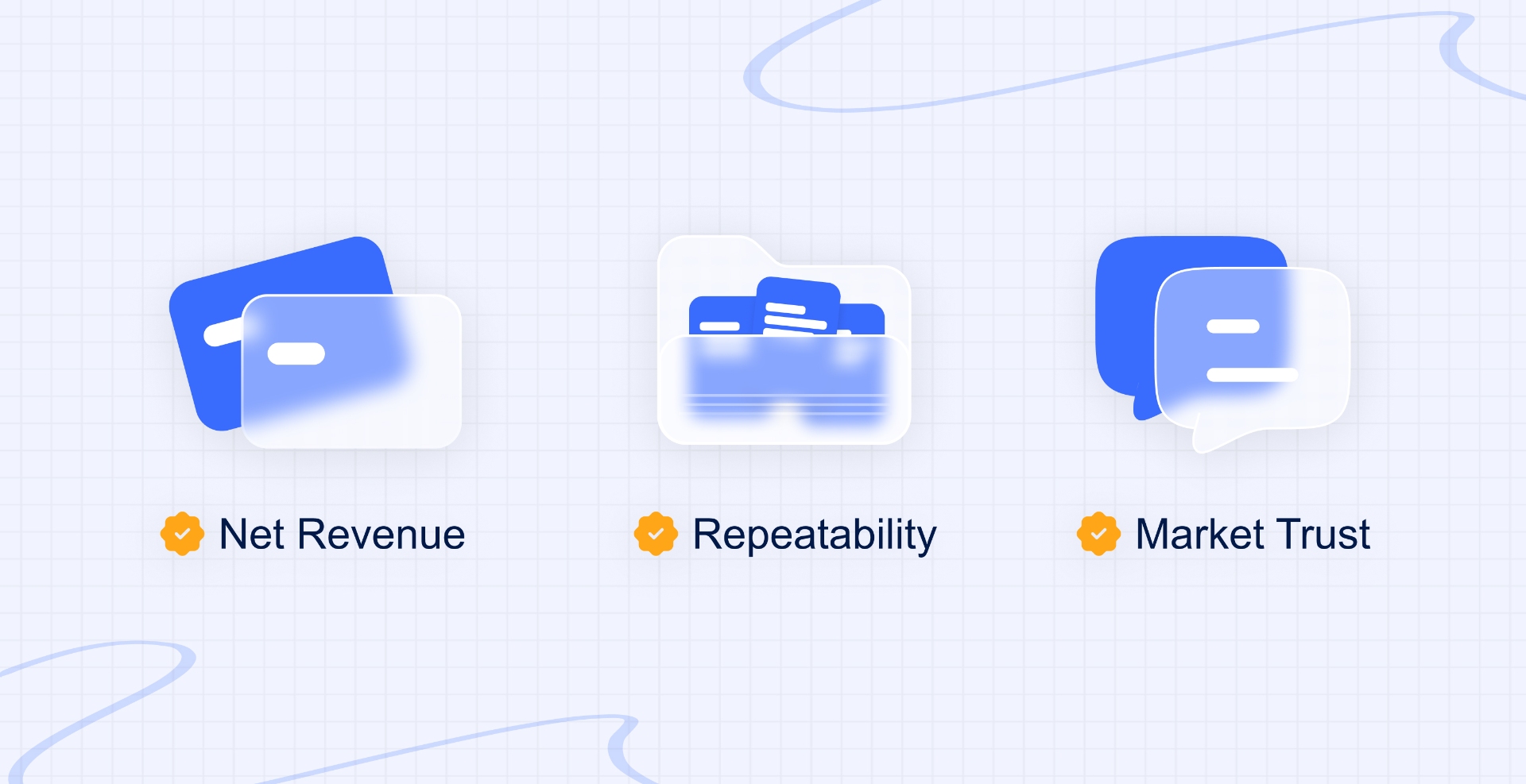
For online businesses, this is one of the most valuable parts of the process. Many deals can be filtered out early just by checking whether the business has stable traffic, repeatable growth, and realistic economics. A good preliminary evaluation prevents buyers from falling in love with a story before they verify the basics.
If the buyer still sees potential, the next step may be an indication of interest or an early offer discussion. This is where the deal starts to become more concrete.
This step is useful because it shows whether both sides are in the same zone before spending more time. If expectations are too far apart, it is better to discover that now rather than during formal due diligence.
The Letter of Intent, or LOI, is often the final stage before full due diligence begins.
This is a major milestone because it moves the conversation from exploration to commitment. It does not mean the deal is guaranteed, but it does mean both sides are serious enough to invest more time and resources. For buyers, this stage should only happen after a disciplined pre-DD review. For sellers, it should happen only when the buyer has shown real intent and reasonable alignment.
Online businesses often move fast, but that does not mean acquisitions should be rushed.
If those basics are unclear, deeper diligence becomes much riskier. That is why the pre-DD stage is not just paperwork. It is the part of the process where discipline protects both sides.
Before due diligence begins, there is an essential phase that sets the tone for the entire deal. This is where buyers filter opportunities, sellers establish credibility, and both sides decide whether the transaction is worth pursuing seriously. In online business acquisitions, this stage is especially important because digital metrics can look strong on the surface while hiding real risks underneath.

.svg)


.svg)
.svg)
.svg)
