


March 19, 2026
What Experienced Buyers Ask Before Buying an Online Business
Meta Description: Why we only work with revenue products — learn how proven recurring revenue reduces risk, improves valuation, accelerates deals, and attracts serious buyers in the online business acquisition market.
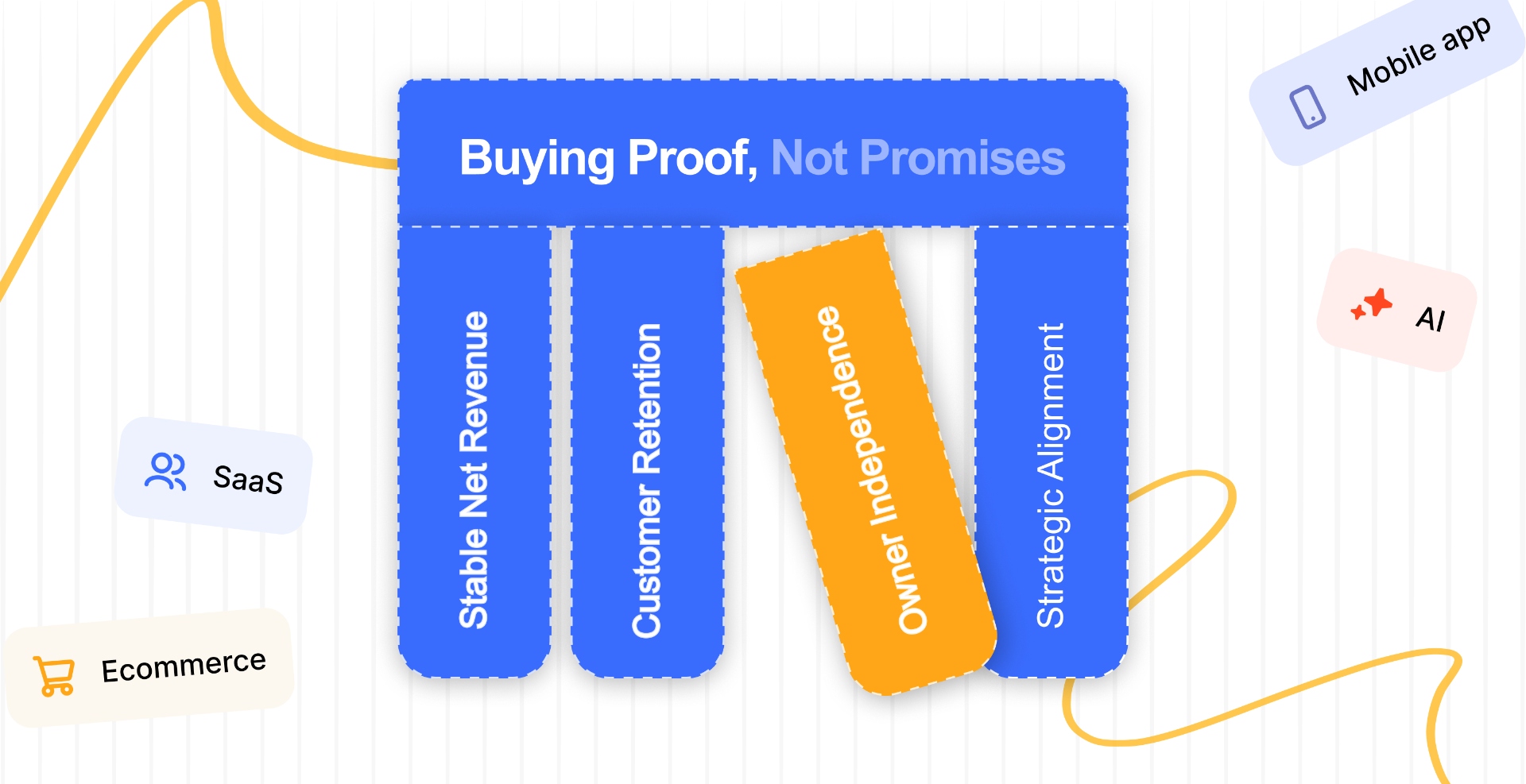
If you have ever tried to sell an online business — or buy one — you have likely noticed one consistent pattern among serious dealmakers: they focus exclusively on revenue products. This is not because ideas or early-stage projects lack merit. Some pre-revenue projects are genuinely impressive. But in the business acquisition market, buyers do not pay for hope. They pay for proof. That is the core reason we only work with revenue products. A revenue product is not just a website that looks nice or a project with impressive traffic numbers. It is a digital business asset with real customers, real transactions, verifiable income, and — ideally — repeatable, documented profit. Revenue transforms a project from speculative "potential" into a concrete asset that a buyer can evaluate, verify, and confidently operate after closing. In this guide, we cover the nine practical reasons why revenue is the non-negotiable baseline in the online business acquisition world — what it means for sellers today, and how founders with pre-revenue projects can make the transition to genuinely buyer-ready assets.
Without evidence, value becomes subjective. And subjective value is one of the fastest ways to kill an acquisition deal before it starts.
Buyers do not acquire "nice websites." They acquire cash-flowing assets.
When a business generates verifiable revenue, it can be priced using standard, widely accepted valuation methods: profit multiples, seller's discretionary earnings (SDE), cash-flow-based models, or payback period analysis. These approaches give both sides a factual anchor for negotiation.
Without revenue, pricing collapses into guesswork. A founder who invested 18 months building a product may believe it is worth €80,000. A buyer who sees no proof of demand may value the same asset at €3,000. Revenue eliminates that gap — not by removing negotiation, but by grounding it in fact.
Non-revenue projects are almost always priced on stories: "potential," "future growth," "first-mover advantage," or "I've spent X months building this." None of these translate into a number a buyer can defend to a co-investor, lender, or advisory board.
Buyers think in concrete terms: what does this earn now? How stable are those earnings? What drives revenue growth? What risks could reduce it? A revenue product answers these questions with data. A pre-revenue project typically cannot answer them at all — which creates friction, delays, and ultimately lower or absent offers.
The quality of your buyer pipeline depends directly on the quality of your evidence. Qualified, ROI-focused buyers will almost immediately ask:
Revenue products answer these questions quickly and credibly. Pre-revenue projects cannot — which means more time-wasters, fewer serious conversations, and significantly longer deal cycles.
Related reading: How to Identify Serious Buyers When Selling an App — learn the specific signals that distinguish qualified acquirers from time-wasters, and how having verified revenue dramatically changes the type of buyer you attract.
Due diligence is where acquisitions are either confirmed or collapsed. With a revenue product, buyers can systematically verify:
This process moves quickly when the data is clean, consistent, and available. With pre-revenue assets, due diligence becomes speculation: Will users pay? Can this traffic be monetised? Is demand real or assumed? Speculation takes time, creates doubt, and erodes the buyer's confidence with every unanswered question.
Every serious buyer thinks in risk-adjusted terms. Even when a product looks compelling, the real question running through a buyer's mind is: What could go wrong after I close this deal?
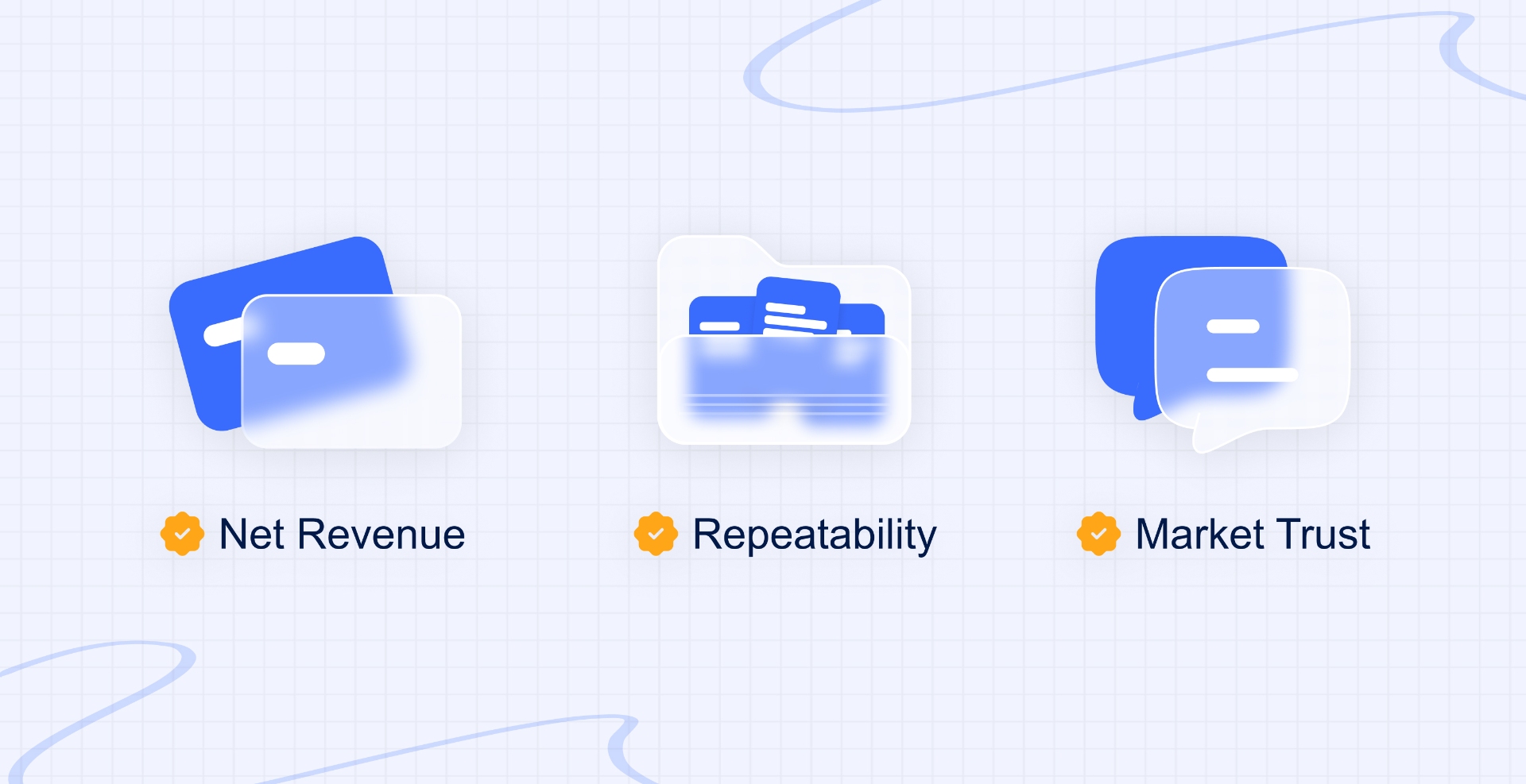
Revenue reduces risk because it proves multiple things simultaneously:
Without revenue, buyers inherit a stack of unverified risks: monetisation risk, demand risk, positioning risk, operational risk, and execution risk. More unknowns mean one of two outcomes — the buyer walks away, or the buyer discounts their offer significantly to compensate for what they cannot verify.
Most acquirers buy online businesses to generate a return — not for strategic curiosity. They need to know: how many months until payback? What growth levers exist? Can this income stream be stabilised or expanded efficiently? A revenue product provides a baseline for all of these calculations. A pre-revenue project has no baseline, making ROI forecasts unreliable at best and entirely speculative at worst. When ROI cannot be modelled with reasonable confidence, buyer interest drops sharply — and so does the achievable sale price.
This matters more than most founders initially realise. When revenue exists, every claim can be cross-referenced: financial statements against payment processor exports, traffic claims against analytics data, customer count against CRM records. This verification process protects buyers from misrepresentation — and it protects marketplaces from reputational damage caused by failed deals built on inflated numbers. Without revenue, exaggeration is easy. Metrics can be presented out of context. Aspirational projections can be framed as historical performance. Working exclusively with revenue products keeps deal quality high and creates a transactional environment that serious buyers trust enough to participate in repeatedly.
Related reading: Why Verified MRR Matters in Online Businesses — understand why independently verifiable revenue data is the single most important document in any online business acquisition, and what "verified" actually means in practice.
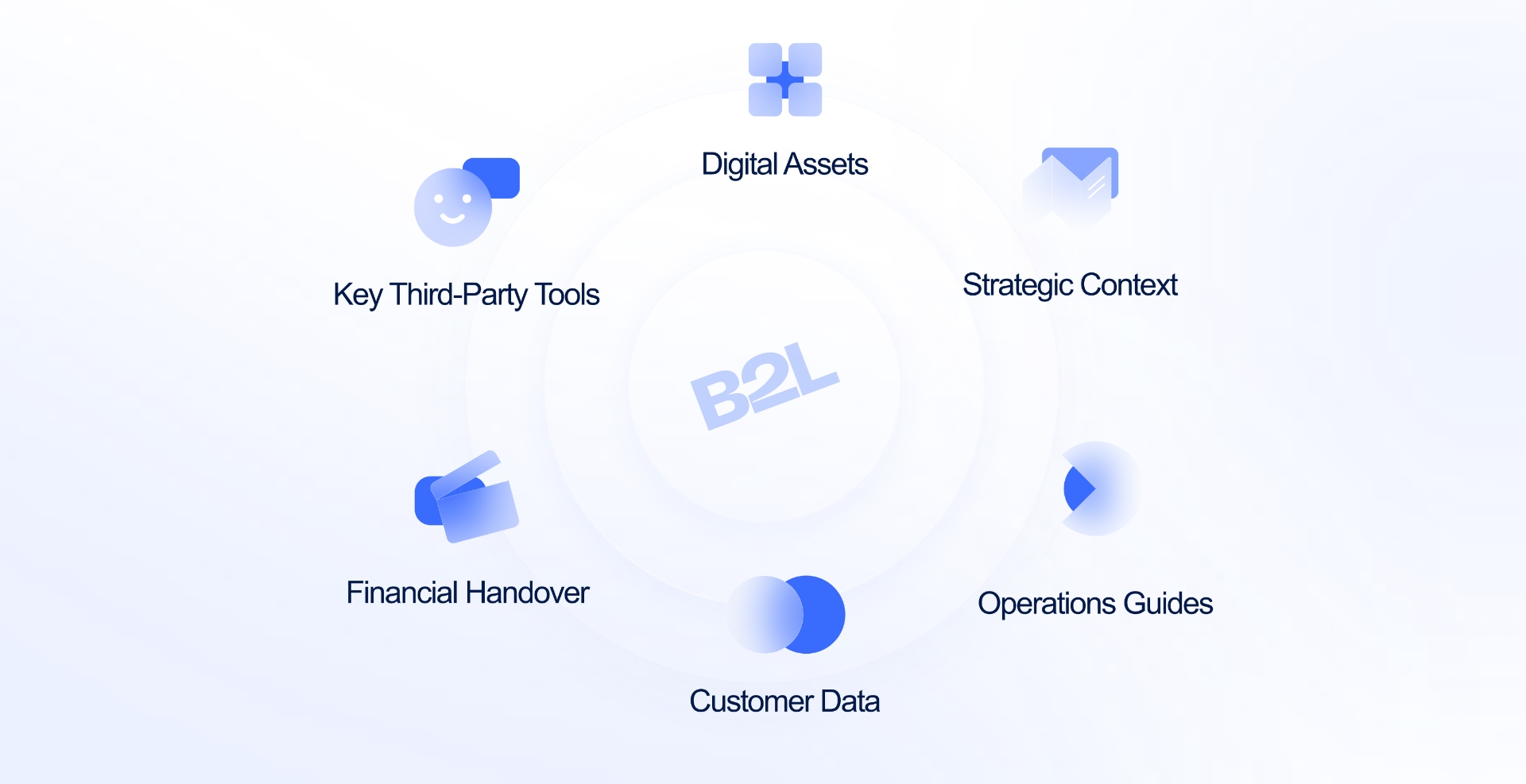
Buyers are not just purchasing a revenue number. They are purchasing the system that produces that revenue — and they need to be able to operate that system independently after the handover.
These elements transfer. Pre-revenue projects often lack them entirely, because they have never been stress-tested under real operational load. That makes post-acquisition handover harder and increases the probability of revenue decline — or complete failure — in the first 90 days after closing.
Selling a business the right way takes significant effort on both sides: preparing financial documentation, verifying metrics across multiple platforms, managing buyer communication, handling negotiations, supporting due diligence, and executing a clean transfer. When there is no meaningful revenue, the achievable sale price is often too low to justify that investment of time and energy. Revenue products create enough deal size and seriousness to make the entire process worthwhile — for the seller, for the buyer, and for the marketplace facilitating the transaction.
If your business already generates consistent, verifiable revenue — you are already in the category that buyers actively pursue.
Related reading: The Essential Handover Checklist When Selling an Online Business — the complete framework for preparing your business for transfer, covering documentation, access credentials, operational SOPs, and what buyers expect to receive on day one.
Not generating revenue does not mean your project has no future — it means you are earlier in the journey. Here is a practical path forward.
The most common mistake at this stage is attempting five revenue strategies simultaneously. Pick the simplest approach that matches your existing audience and traffic:
One method executed consistently will always outperform five methods half-built.
Aim for at least 3–6 months of consistent, documented earnings before considering a listing. Buyers want to see trends, not one-off spikes. The data should show a clear, logical link between your traffic, your acquisition process, and your revenue output.
Even modest early revenue becomes a powerful asset when documented consistently from the start. Track revenue by channel, expenses by category, conversion rates, refund and chargeback rates, and the time you spend operating the business each week.
Buyers actively look for concentration risks. Common red flags include:
Reducing these risks is not just operational hygiene — it directly increases buyer confidence and your eventual sale multiple.
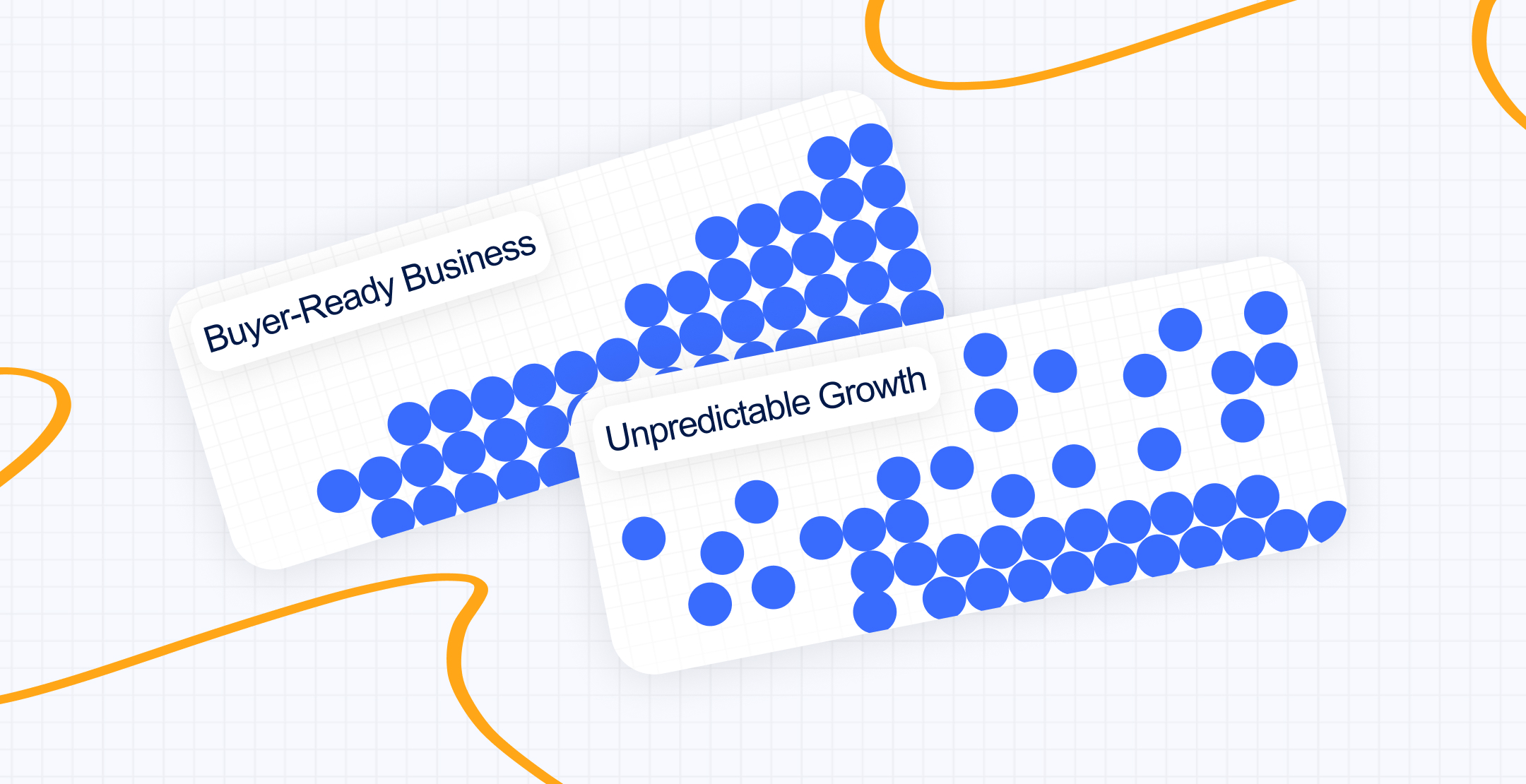
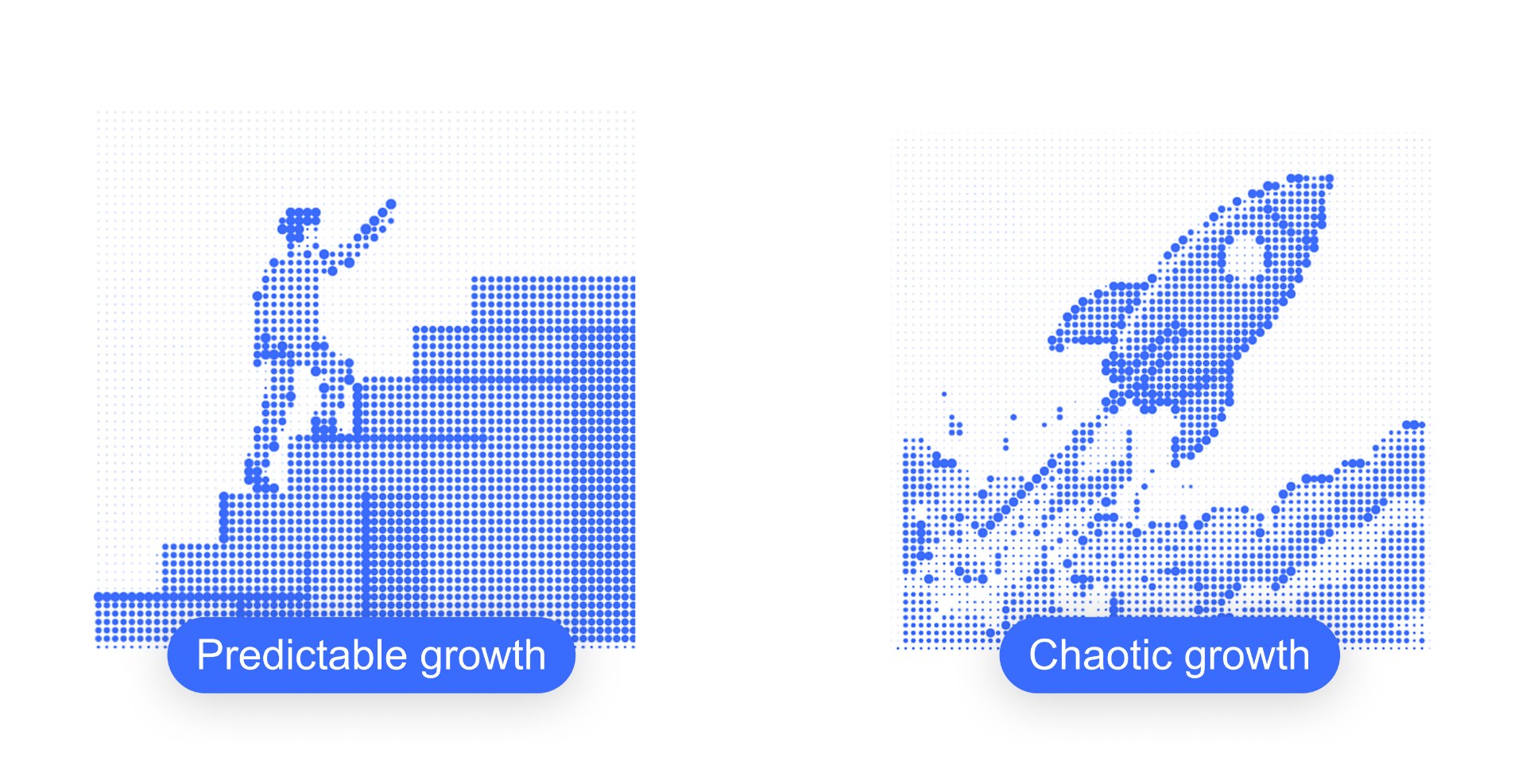
The structural difference is stark. Revenue products are demonstrably easier to sell — and they consistently sell at better multiples.
Myth 1: "A great idea should be worth serious money." The acquisition market does not pay for great. It pays for proven. An idea with no revenue is worth whatever a buyer is willing to speculate — which is almost always far less than the founder expects.
Myth 2: "Strong traffic is enough to attract buyers." Traffic helps. But every experienced buyer will immediately ask: does this traffic convert into money reliably? Visits without verified revenue conversion are not an asset — they are an unanswered question.
Myth 3: "If I explain the growth potential clearly, buyers will understand." Some will follow the story. Most have heard it before and seen it fail. Buyers have a strong preference for evidence over narrative — especially when real capital is involved.
What exactly counts as a revenue product? Any online business that generates verifiable, documented income — ideally with at least 6 months of consistent history and clean financial records accessible through third-party platforms.
How much revenue is needed before a business is considered sellable? There is no universal threshold, but consistency matters far more than size. A business earning €800 per month for 12 straight months is typically more attractive than one that earned €10,000 once.
Can content websites qualify as revenue products? Yes — provided they earn reliably through ads, affiliates, sponsorships, or digital products, and the income can be independently verified through platform dashboards or payment records.
Why do qualified buyers distrust "potential"? Because potential cannot be audited. Buyers need proof that a real market exists, that customers pay willingly, and that the business model functions without heroic founder effort.
What makes revenue "high quality" in an acquisition context? High-quality revenue is consistent month-over-month, generated by diversified sources, supported by clean records, and not dependent on any single fragile channel, customer, or campaign.
How do I get my project to revenue product status faster? Commit to one monetisation method, build a repeatable acquisition process, document every transaction from day one, and target a minimum of 3–6 months of consistent earnings before listing.
The reason we work exclusively with revenue products is straightforward: revenue is what converts a project into an acquirable business asset. Revenue products attract qualified buyers who can move quickly. They reduce the risk burden on both sides of the transaction. They accelerate due diligence. They support fair, evidence-based pricing. And they create cleaner, faster, lower-friction deals for everyone involved. If your business already earns consistently and you have the documentation to prove it, you are positioned in the strongest possible category for a successful exit. If it does not earn yet, the roadmap is clear: choose one monetisation path, build a revenue track record, document everything systematically, and reduce operational dependencies. When you do, you move from idea-stage to buyer-ready — and that is where real exits happen.
.svg)


.svg)
.svg)
.svg)
