


March 19, 2026
What Experienced Buyers Ask Before Buying an Online Business
.jpg)
Discover what really happens to founders after an exit — the emotional transition, key lessons learned, and how to use the experience as a foundation for what comes next. Selling a product, app, or startup is often seen as the ultimate milestone in a founder's journey. From the outside, it looks straightforward: build something valuable, find a buyer, close the deal, and move on. But the reality is almost always more complex. For most founders, selling a business is not purely a financial event. It is a significant personal transition — one that few people navigate without unexpected discoveries. Understanding what actually happens after an exit — emotionally, professionally, and strategically — helps founders not only process the moment but use it as a foundation for what comes next. In this article, we break down the real experience of founders after a sale: what they feel, which lessons turn out to be the most valuable, and why an exit is a beginning, not an end.
In the immediate aftermath of closing a deal, most founders experience the same thing — a sharp, almost physical sense of relief. The daily pressure disappears. No more endless product decisions, customer escalations, urgent updates, or the constant weight of responsibility. After months or years of intense work, that moment can feel extraordinarily liberating. Following the relief comes euphoria. A sale validates the founder's work. It proves that the product they built has genuine value and that someone else is willing to pay for it. Even smaller exits become powerful confirmation points: the idea became a real asset that passed a real market test. And then comes the silence.
The routines that shaped the founder's life for months or years are suddenly gone. The product that demanded daily attention is no longer theirs. Many founders describe this moment as an unexpected emptiness — not because the deal was a mistake, but because building the product had become a core part of their identity. This is a normal part of the transition. And it is worth being prepared for it before the deal closes, not after.
One of the most consistently reported lessons from founders who have sold a product is the critical importance of early validation. Many early-stage projects fail not because they are poorly built, but because they are built without sufficient feedback from real users. Founders often spend months developing features before confirming that people actually need the solution they are creating. Successful founders typically take a different approach. They start with understanding the user — not with writing code.
Products that grow from real problems develop more organically and attract buyers far more easily. Buyers in the acquisition market can sense the difference between a product that exists because the founder found it interesting and a product that exists because there is consistent, documented demand for it.
Related reading: Why Founder Dependency Lowers Business Value — and How SOPs Fix It — if your product relies on your personal involvement rather than documented systems, buyers will see it and price in the risk. Learn how to stop being indispensable before you go to market.
Another major realization founders consistently report after an exit is the true role of distribution. A great product rarely guarantees success on its own. Users need a reliable way to discover it. And buyers in the acquisition market need to see that this discovery mechanism exists, works, and does not depend on the founder's luck or personal network.
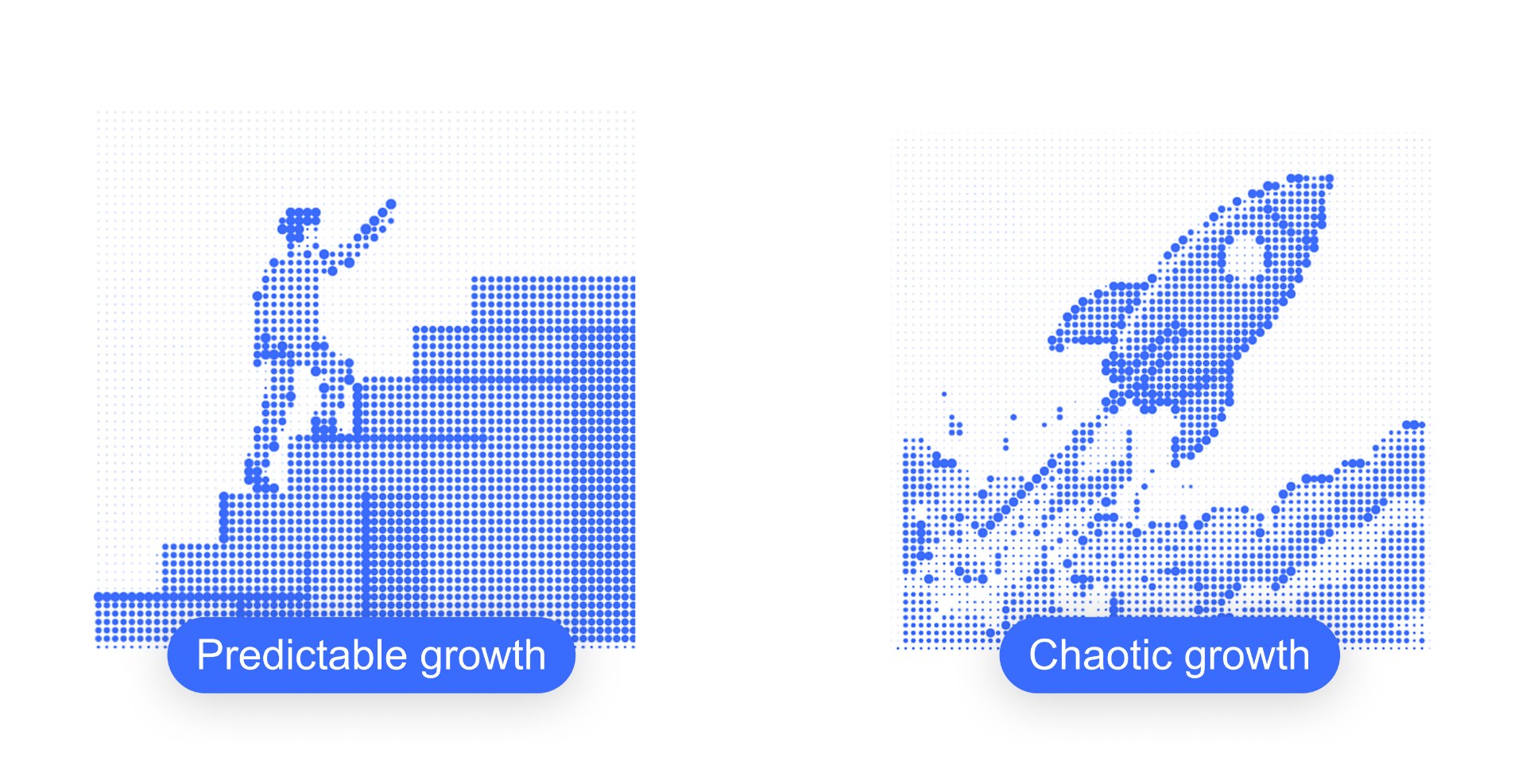
When user acquisition becomes predictable, the product becomes significantly more valuable and stable. That predictability is exactly what allows a buyer to build a financial model with confidence — and offer a stronger valuation multiple. Founders who think about distribution from day one — rather than after reaching their first million users — build more acquirable businesses.
Not every exit makes headlines. Not every deal changes a founder's life in a purely financial sense. But even a modest exit carries a disproportionately large impact on a founder's trajectory.
This validation often gives founders a level of confidence they lacked before. After a first exit — even a small one — they approach subsequent projects differently: they validate faster, build leaner, and think about transferability from the beginning. The acquisition market recognises this. A founder with a track record of successful exits — even modest ones — is perceived as a significantly more credible seller than someone going through the process for the first time.
Related reading: What Happens Before Due Diligence When Buying an Online Business — understanding what a buyer does before the formal verification process begins helps sellers prepare correctly and avoid the common mistakes that derail deals at the final stage.
Many founders spend years operating with the sense that selling a business is the endpoint. The finish line. The earned rest. In practice, an exit most often marks the beginning of a new phase — typically a more deliberate and productive one than anything that came before it.
Some founders launch their next project almost immediately after closing. Others spend time mentoring other founders or exploring new opportunities. Others take a deliberate pause — which is also a valid and valuable choice. In every case, the experience of building and selling a product becomes a powerful compression of learning. What might otherwise take a decade of trial and error gets distilled into a single exit cycle.
This topic comes up less often than it should — but it is one of the most important. Founders who closely identified with their product — "I am this business" — frequently experience something resembling an identity crisis after the sale. Not because the deal was wrong. But because the role they occupied for years has suddenly disappeared. This is not a pathology or a weakness. It is a normal human response to significant transitions.
A few things that help navigate this stage:
Build a life outside the product before the deal closes. Founders who have interests, relationships, and projects beyond their business navigate the transition significantly more smoothly.
Write down the lessons. Documenting what worked, what did not, and why is not just a blogging exercise. It is a way to make sense of the experience and carry it forward deliberately — rather than simply turning the page.
Give yourself time. Not every founder needs to launch the next project within three months of closing. A period of reflection is an investment, not lost time.
Selling a product, app, or startup is rarely a perfect fairytale with a flawless ending. It is a milestone that simultaneously brings relief, validation, reflection, and a new perspective. The financial outcome is an important part of the equation — but far from the only one. For many founders, the greatest value of the experience is not the deal itself, but the lessons accumulated on the way to it. Lessons about users, product, distribution, operations, team dynamics, and about themselves. Those lessons become the foundation of the next project — which, more often than not, is stronger than anything built before.
Related reading: What the First 30 Days After Buying an Online Business Should Look Like — if you are selling a business, understanding what a buyer goes through immediately after closing helps you prepare a cleaner handover and avoid the conflicts that commonly arise in the post-sale period.
What do founders typically feel immediately after selling a business? The most common sequence is relief, followed by euphoria and validation, and then an unexpected emptiness. The daily routines disappear, and adjusting to that takes time — even when the deal was exactly what the founder wanted.
Should a founder start building the next product immediately after an exit? It depends on the individual. Some find that launching a new project immediately is energising. Others need a period of reflection and reset. Neither approach is inherently right or wrong.
Why does distribution matter so much when selling a business? Because buyers are not just acquiring a product — they are acquiring the system that attracts customers. Predictable growth channels reduce post-transfer risk and directly influence the valuation multiple a buyer is willing to apply.
Is it worth selling a small business with modest revenue? Yes. Even a modest exit validates the business model, builds genuinely valuable experience, and often opens opportunities that would not have been available without it.
How can founders prepare for life after a sale? Build a life outside the product before the deal closes, document lessons throughout the process, give yourself time to adjust, and approach the exit as the beginning of a new cycle rather than the end of a career.
What most affects the success of a business handover to a buyer? Clean documentation, well-written SOPs, diversified traffic and acquisition channels, and the absence of critical dependency on the founder's personal involvement.
Selling a product, app, or startup is not a full stop. It is a comma. Founders who understand this before the deal — not after — use the exit in a fundamentally different way: as a source of experience, capital, and clarity for the next step, rather than a finish line followed inevitably by emptiness. The real value of an exit is not only in the number on the bank statement. It is in how the experience changes what the founder builds next.
.svg)


.svg)
.svg)
.svg)
