


March 19, 2026
What Experienced Buyers Ask Before Buying an Online Business
On one hand, you want your business to grow. You want customers, revenue, and proof that your work creates value. On the other hand, there is often a quiet fear behind the process:
If I start selling more, will I stop feeling like myself?
This fear is more common than many people admit. People worry that selling will make them sound pushy, inauthentic, or too commercial. They worry that once money enters the picture, the original passion behind the work will disappear. But in reality, selling a product does not mean losing yourself. When approached the right way, selling is not about becoming someone else. It is about communicating value clearly, building trust, and helping the right people understand why your work matters.
Many people struggle with sales because they think selling requires a performance. They assume they need to sound louder, more persuasive, or more polished than they really are. They begin copying styles that do not match their personality. They focus too much on tactics, urgency, and surface-level persuasion. That is usually where the discomfort begins.
The problem is not selling itself. The problem is trying to sell in a way that feels disconnected from your real voice, values, and purpose. When selling becomes imitation, it feels draining. When it becomes clear communication, it feels natural.
One of the healthiest ways to stay authentic while selling is to focus on the result your product creates. People rarely buy something only because of its features. They buy because they want a problem solved, a pain removed, or a better outcome in their life or business. That changes everything.
Instead of asking, “How do I push this product harder?” the better question becomes:
What changes for the customer after using it?
This keeps selling connected to service.
For example, people do not just buy software because it has dashboards, automations, or integrations. They buy it because they want more clarity, less wasted time, smoother operations, or better decisions. When you talk about those outcomes honestly, selling stops feeling manipulative. It starts feeling useful.
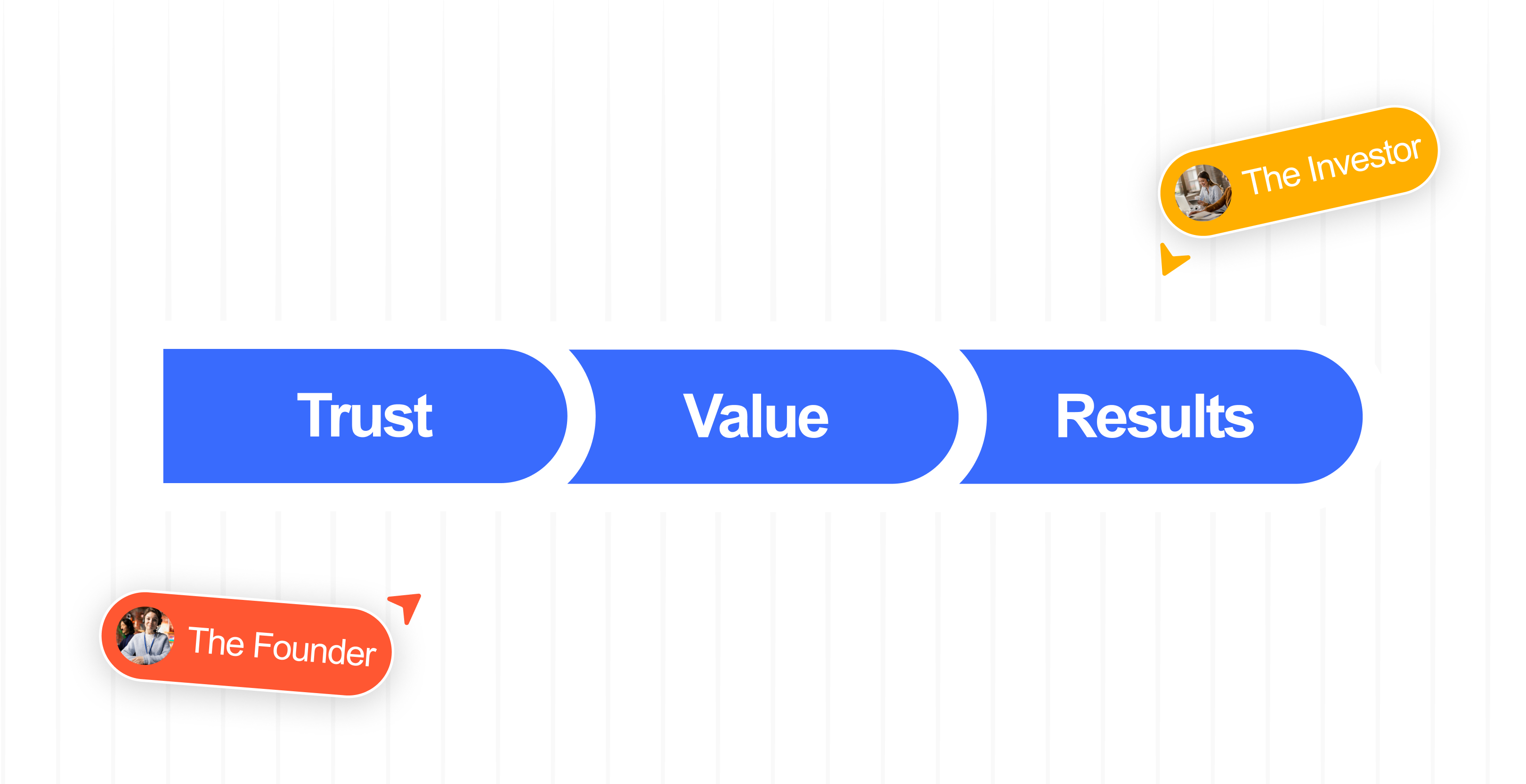
In online business, people are often buying more than the product itself. They are also buying trust.
This is why selling does not require losing yourself. In many cases, your strongest advantage is not how aggressively you promote something. It is how credible and clear you are. People want to feel safe buying from someone who seems real. That means your identity is not a weakness in sales. It is often one of your greatest strengths. The more your business reflects your actual standards and values, the easier it becomes to attract the right customers and build longer-term loyalty.
Another common mistake is assuming that visibility somehow makes a business less authentic. Many creators are comfortable building, writing, designing, or improving the product. But when it comes to promotion, they pull back. They do not want to seem too sales-focused. The result is that good work stays hidden.
In reality, distribution is not the opposite of authenticity. It is simply the process of making sure the right people can find what you built. If your product genuinely helps people, visibility is not something to feel guilty about. Sharing your work consistently, explaining it clearly, and showing up where your audience already spends time does not reduce your integrity. It gives your work a chance to matter. A product cannot help anyone if nobody sees it.
One reason people feel like they are “losing themselves” in business is that they confuse selling with constant emotional effort. They believe they must always be “on,” always persuasive, always available, always proving value. That is exhausting. A healthier approach is to build systems that support sales without forcing you to perform every day.
When your business has systems, selling becomes less personal in the stressful sense and more personal in the trustworthy sense. You do not have to force every sale manually. You create an environment where trust can grow consistently.
Selling online also comes with rejection, silence, slow periods, and uncertainty. That can affect how people see themselves. If every low-sales week feels like a personal failure, it becomes easy to tie your identity to short-term results. That is where many people begin to feel lost. The answer is resilience.
Resilience helps you separate your worth from the numbers while still taking the business seriously. It allows you to learn, adjust, and continue without turning every outcome into a judgment about who you are. This is especially important in online business, where metrics change quickly and feedback can feel immediate. A strong business mindset is not about pretending rejection does not hurt. It is about not allowing temporary results to define your entire sense of self.
When done well, selling can actually make your identity clearer.
Those questions are not distractions from your identity. They refine it. The process of building and selling something meaningful often makes people more grounded, not less. It helps them communicate with more confidence, serve with more intention, and build businesses that reflect their values more clearly.
Selling a product does not mean losing yourself. It only feels that way when selling is treated like a mask instead of a message. The healthiest kind of selling is rooted in clarity, trust, and value. It focuses on the result you create, the reputation you build, and the systems that help your business grow without forcing you to become someone else. In the end, the goal is not to remove yourself from the business. It is to build a business that expresses your strengths more clearly - and allows other people to benefit from them.
.svg)


.svg)
.svg)
.svg)
